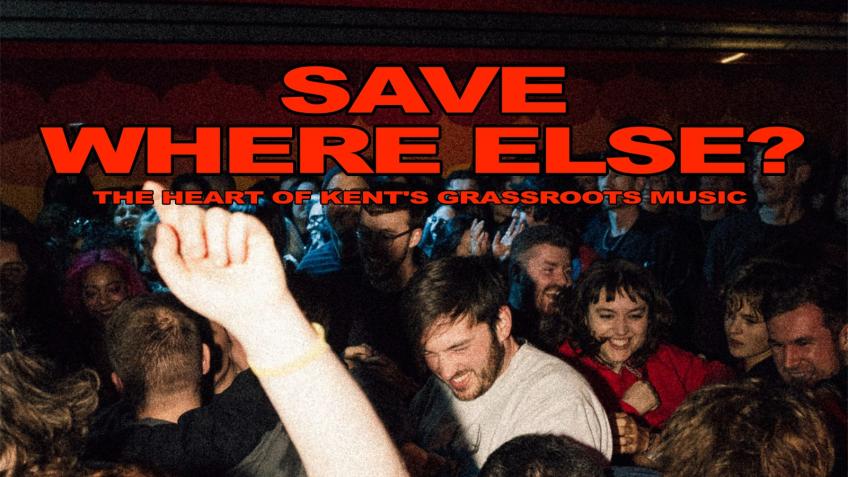
The survival of independent music venues has become one of the most pressing narratives in the modern cultural landscape. While many spaces face the silent creep of rising rents and utility bills, Margate’s WhereElse? chose a different path: a vocal, community-driven stand for its future. By launching a high-stakes crowdfunding campaign, they didn't just ask for donations; they invited their audience to become shareholders in their survival.
The success of the WhereElse? campaign serves as a blueprint for the "Save Our Venues" movement. In an era where traditional funding is scarce, the venue leveraged its most valuable asset—its hyper-local community—to bridge a financial gap that might have otherwise seen the shutters go down for good.
WhereElse? succeeded because they treated their fundraiser like a high-profile tour rollout. They didn't just post a link; they built a narrative around the "why" of their existence. Here is how they effectively moved the needle:
For music venues, crowdfunding is more than a digital tip jar; it is a vital tool for democratic cultural preservation. In a climate where small venues are closing at an alarming rate, this model allows the public to vote with their wallets for the culture they want to keep in their neighborhood.
A successful campaign provides an immediate cash injection without the predatory interest rates of bank loans or the creative compromises of corporate sponsorship. It reinforces the venue as a "Third Place"—a community hub that belongs to the people, rather than just a commercial business.
If your venue is considering a crowdfunding route, success lies in the preparation before the "Launch" button is ever pressed. Here is how to ensure your campaign resonates:
The success of the WhereElse? fundraiser is not merely a local victory for Margate; it is a critical case study in the resilience of grassroots culture. The venue has now raised over £40,000, effectively clearing a "debt mountain" accumulated from a perfect storm of rising energy costs and a crippling administrative error that temporarily dissolved their alcohol license.
WhereElse? didn't just ask for a handout; they launched a sophisticated, multi-channel campaign that combined emotional storytelling with high-value incentives. From raffling a one-of-a-kind Pavement gold disc donated by Bob Nastanovich to hosting a 24-hour New Year’s style countdown for the final funding push, they turned a financial crisis into a community celebration.
Promotion for the campaign was relentless and creative. The venue owners moved beyond standard social media posts by integrating the fundraiser into the physical space. They hosted "Save WhereElse?" all-dayers and leveraged their in-house community radio station to keep the dialogue live. This "omnipresent" strategy ensured that even casual gig-goers understood the urgency of the situation.
While WhereElse? proves that crowdfunding can be a lifeline, it is a complex tool that comes with significant risks. Venues must weigh the immediate cash injection against the long-term strain on resources.
The decision to launch a crowdfunding campaign is a significant turning point for any music venue, carrying both transformative benefits and heavy operational burdens. On the positive side, a successful campaign provides powerful Market Validation; by hitting a public target, a venue proves to future investors, landlords, and local councils that it is a vital community asset worth protecting. Furthermore, it provides Zero-Interest Capital—unlike traditional bank loans, these donation-based funds do not require monthly repayments that could further squeeze already thin profit margins. Perhaps most importantly, it strengthens the Audience Bond, turning casual gig-goers into "super-fans" who feel a personal, emotional stake in the venue’s long-term survival.
However, the path to funding is fraught with challenges that can catch even the most seasoned venue owners off guard. A major drawback is the Resource Drain; running a campaign of this scale is effectively a full-time marketing job, often leading to staff burnout as teams try to balance fundraising with nightly show operations. Venues also face the risk of "Charity Fatigue"—there is a finite limit to how many times a community can be asked for financial help before the message loses its impact. Finally, the Fulfillment Logistics involved in reward-based crowdfunding—such as printing and shipping hundreds of t-shirts or managing complex guest-list rewards—can quickly turn into a logistical nightmare that eats into the very funds the venue worked so hard to raise.
If you are a venue owner looking at a 10% profit margin—or less—crowdfunding should be your last resort, but your best-prepared one. Here is how to sharpen your approach:
